563 BCE – 483 BCEइ.स.पू. ५६३ – इ.स.पू. ४८३

Gautama Buddhaगौतम बुद्ध

गौतम बुद्धGautama Buddha

Gautama Buddha was a great philosopher, social reformer, and humanist thinker who gave a new direction to Indian and global intellectual traditions. Against the backdrop of religious rituals, caste discrimination, sacrificial culture, and birth-based social hierarchy prevalent in the 6th century BCE, he propounded a worldview rooted in reason, morality, equality, and compassion.

गौतम बुद्ध हे भारतीय आणि जागतिक वैचारिक परंपरेला नवे वळण देणारे महान तत्त्वज्ञ, समाजसुधारक आणि मानवतावादी विचारवंत होते. इ.स.पूर्व सहाव्या शतकातील धार्मिक कर्मकांड, जातिभेद, यज्ञसंस्कृती आणि जन्मजात वर्चस्वाच्या पार्श्वभूमीवर त्यांनी विवेक, नैतिकता, समता आणि करुणा यांवर आधारित जीवनदृष्टी मांडली.

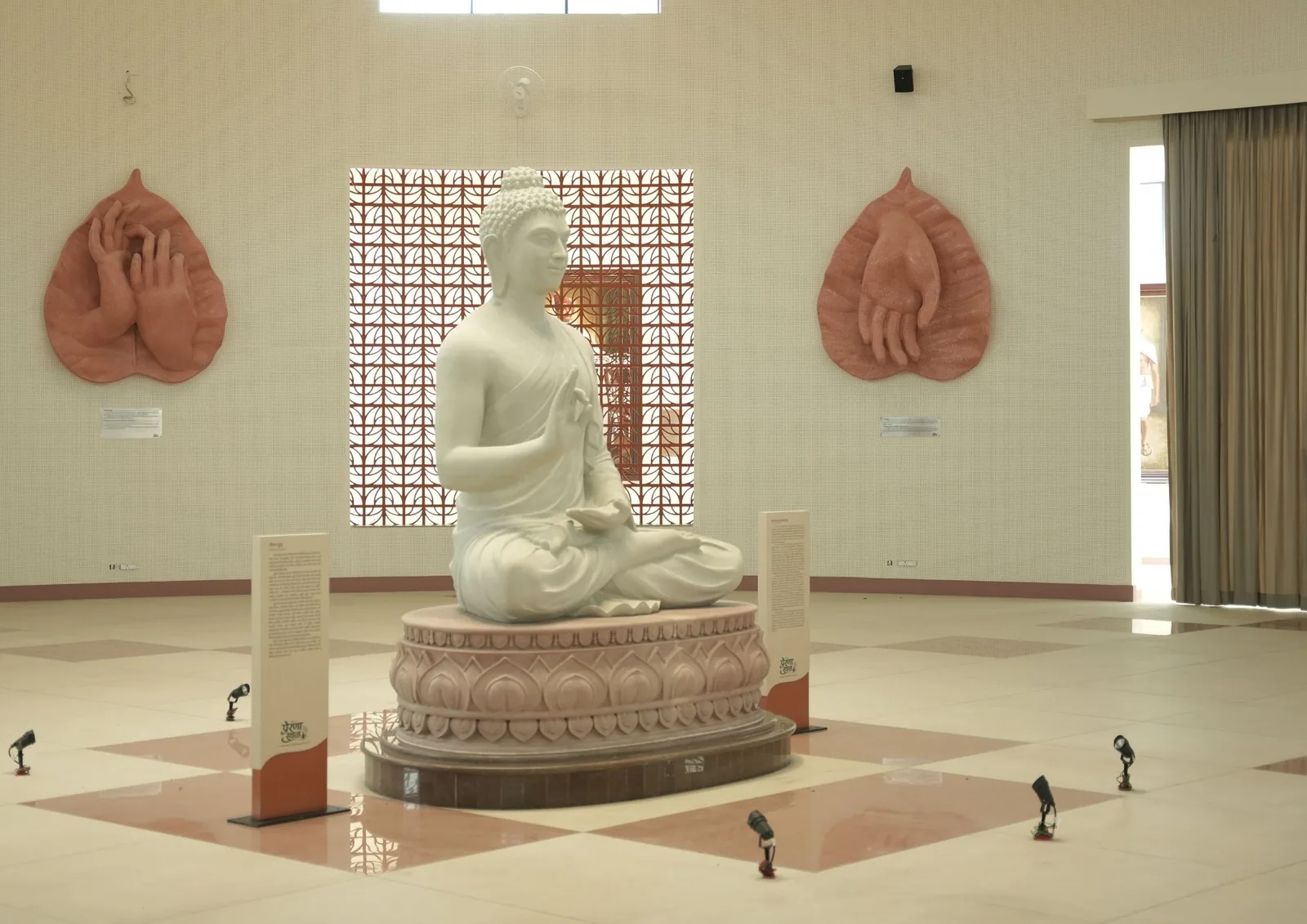
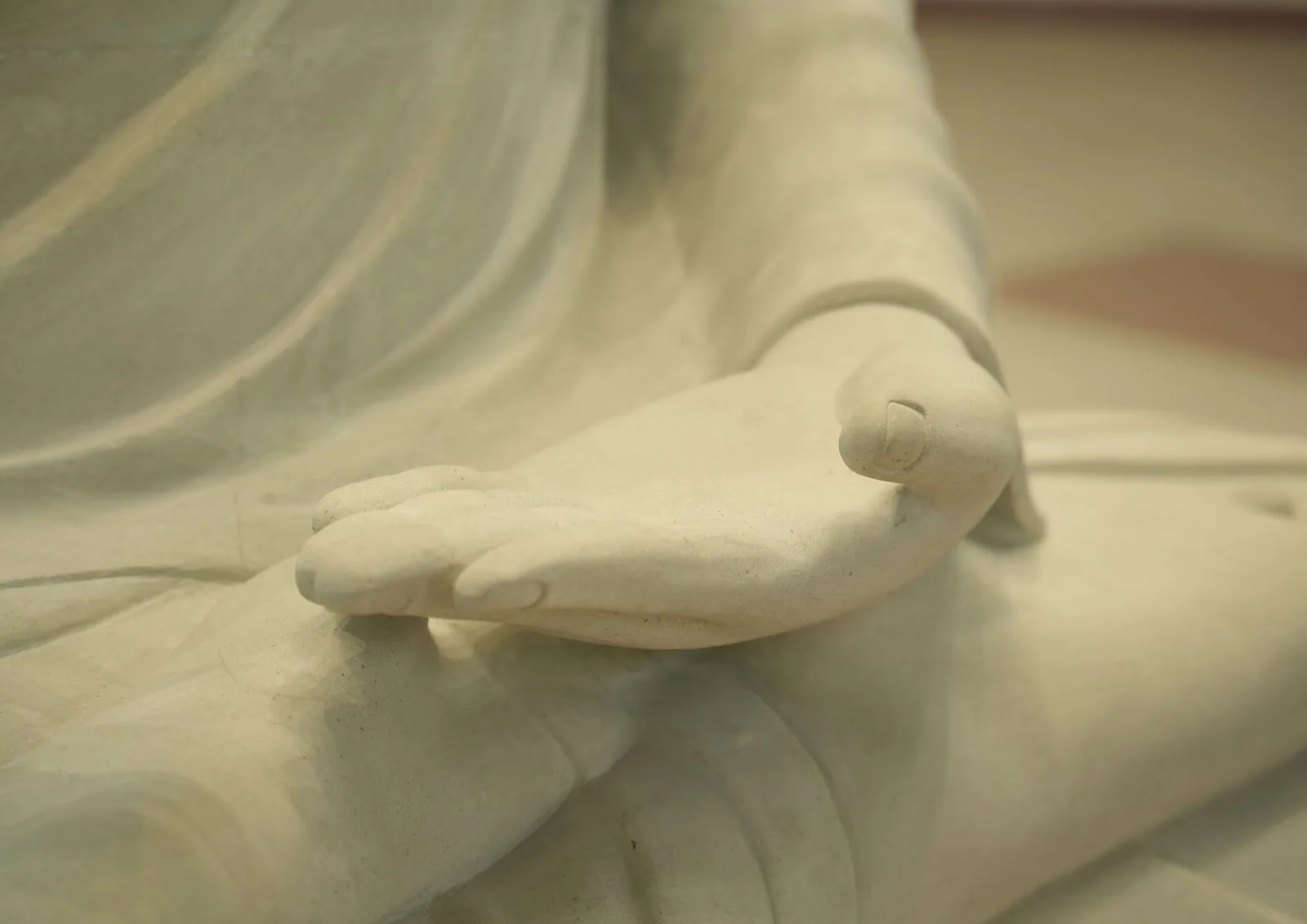
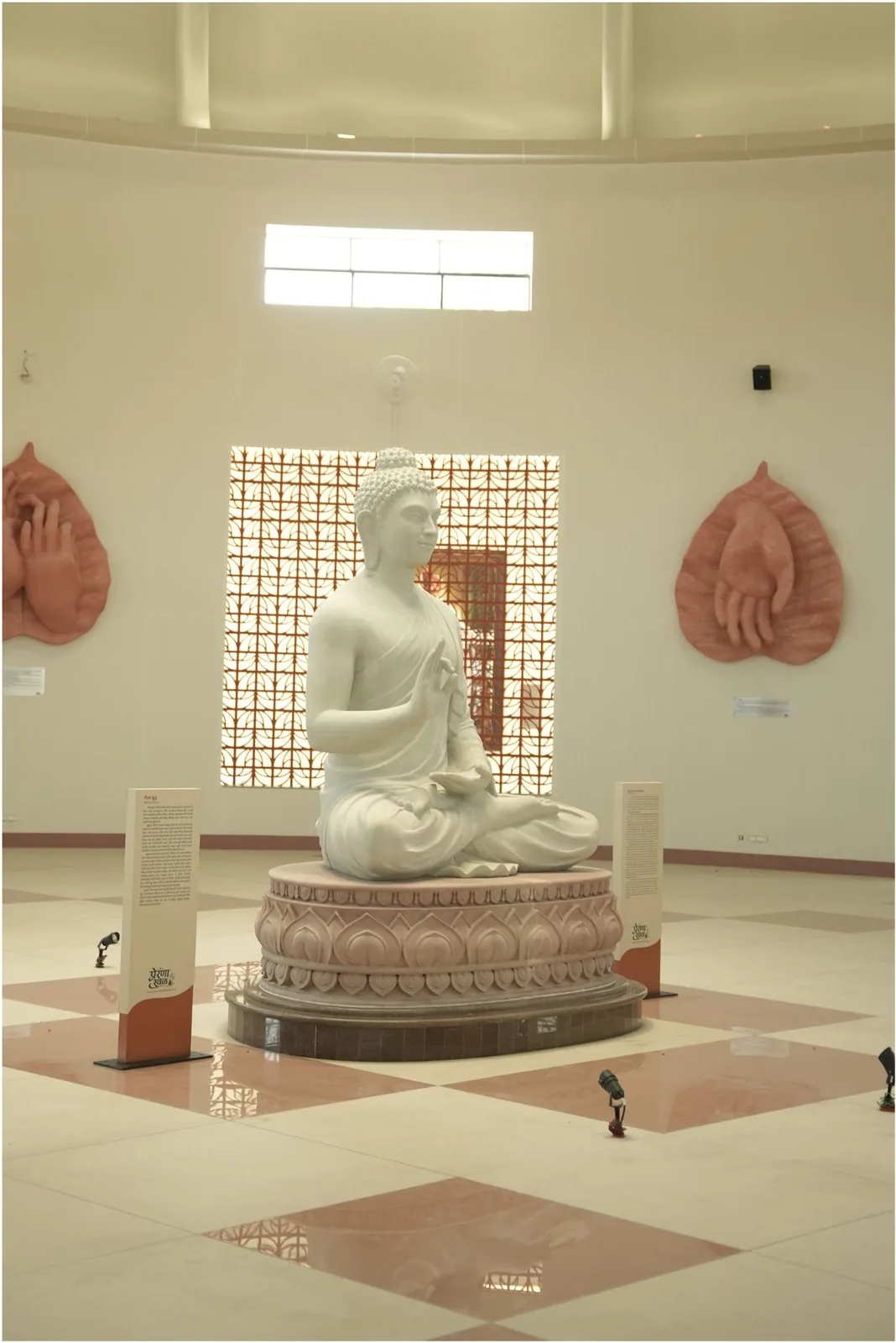
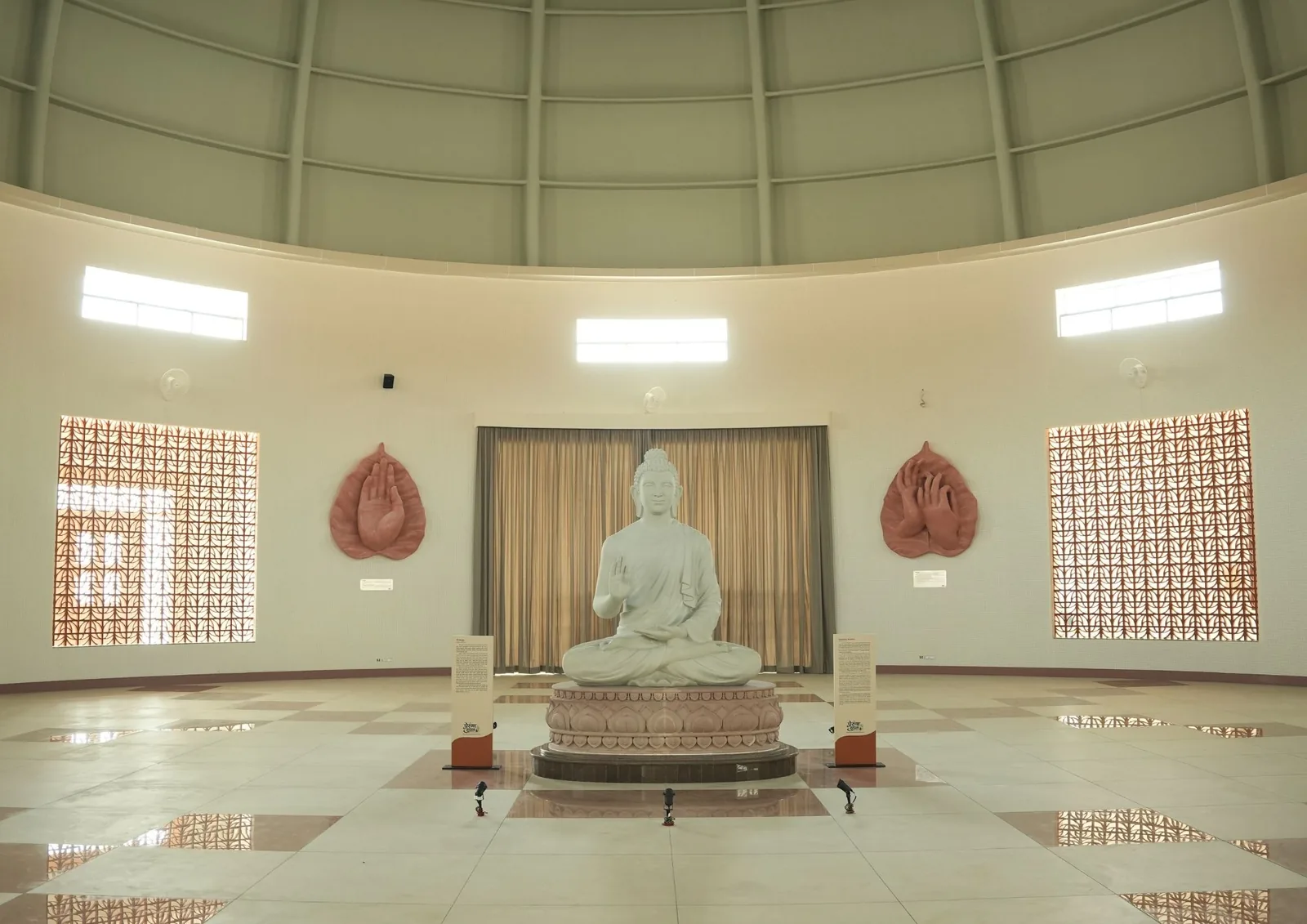
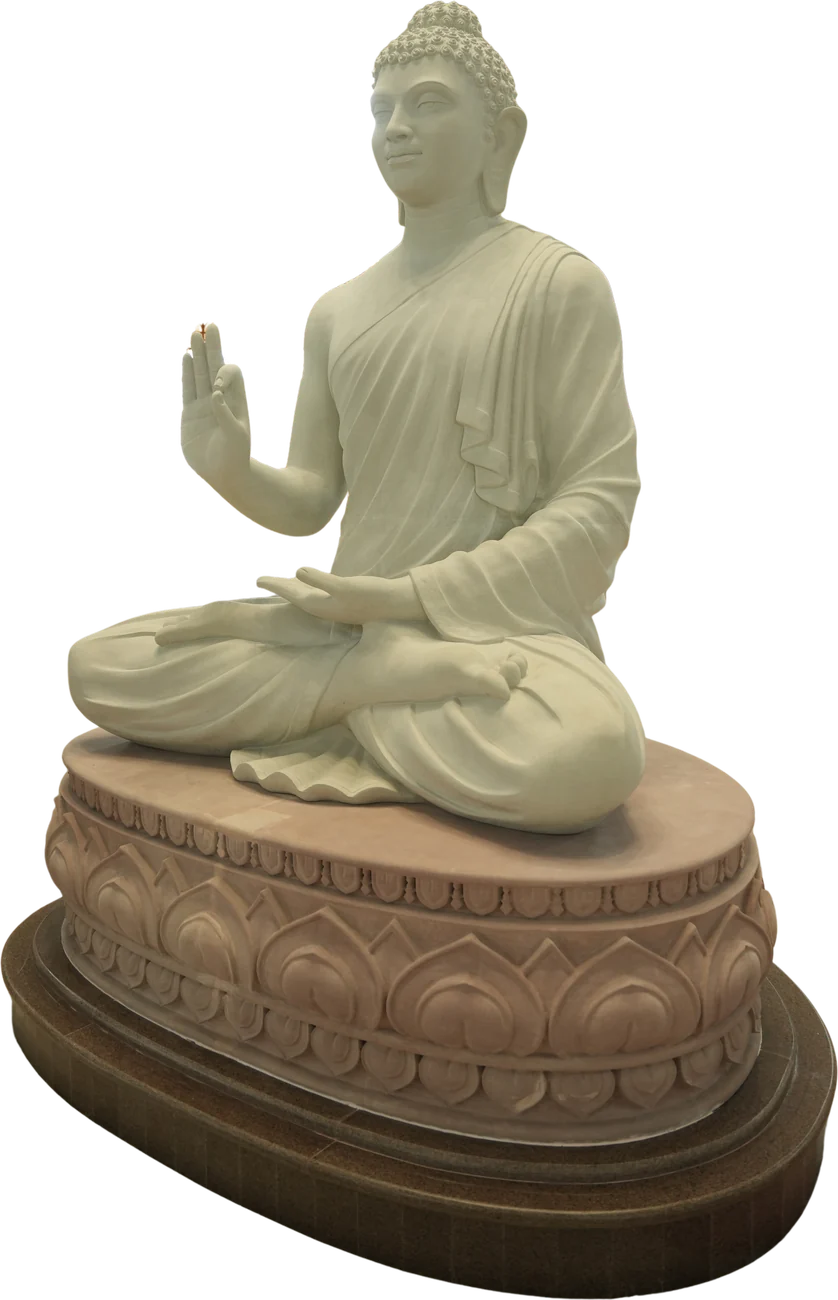
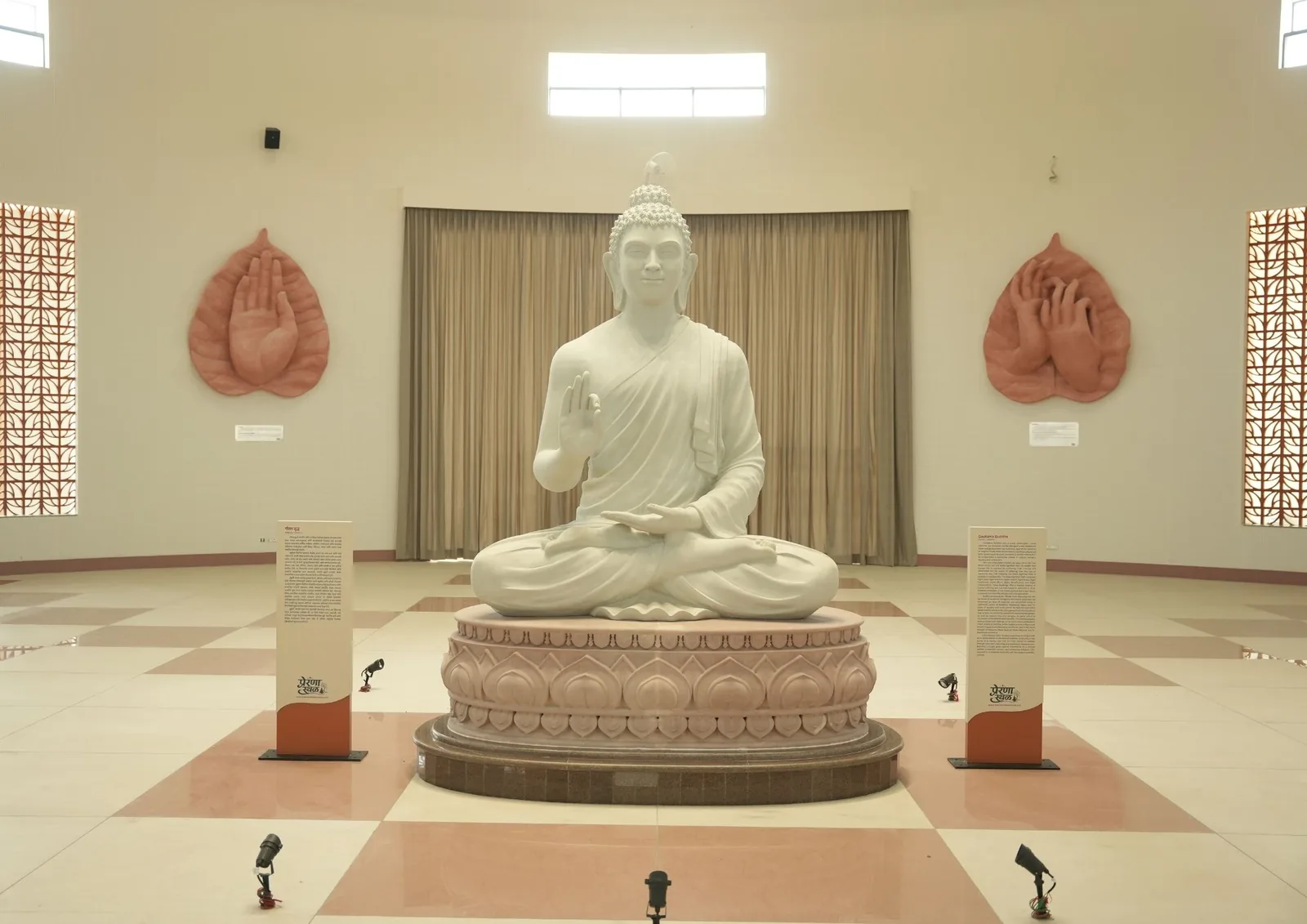
Statue of Gautama Buddha seated on a lotus pedestal, right hand raised
His teachingsबुद्धांची शिकवण

A worldview rooted in reason and compassion

विवेक आणि करुणेवर आधारित जीवनदृष्टी

01

The Four Noble Truths and the Noble Eightfold Path

चार आर्य सत्ये आणि आर्य अष्टांग मार्ग

The core of Buddha’s intellectual legacy lies in the Four Noble Truths and the Noble Eightfold Path. He taught that human life is marked by suffering; that craving and attachment are the causes of suffering; that they can be overcome; and that following the Noble Eightfold Path is essential to achieve this. The Noble Eightfold Path comprises Right View, Right Intention, Right Speech, Right Action, Right Livelihood, Right Effort, Right Mindfulness, and Right Concentration. These teachings offer a realistic analysis of human suffering and practical means to overcome it. Thus, Buddha’s philosophy is not merely spiritual but is also deeply connected to human life and practical in its application.

बुद्धांच्या वैचारिक वारशाचा केंद्रबिंदू म्हणजे चार आर्य सत्ये आणि आर्य अष्टांग मार्ग. मानवी जीवन दुःखमय आहे; दुःखाची कारणे तृष्णा आणि आसक्ती आहेत; त्यांचा नाश होऊ शकतो आणि त्यासाठी अष्टांग मार्गाचा अवलंब करणे आवश्यक आहे, ही त्यांची मूलभूत शिकवण होती. अष्टांग मार्गामध्ये सम्यक दृष्टी, संकल्प, वाक्, कर्म, जीविका, व्यायाम, स्मृती आणि समाधी या आठ बाबींचा समावेश होतो. या शिकवणीत मानवी दुःखाचे वास्तववादी विश्लेषण आणि त्यावरील व्यावहारिक उपाय आढळतात. त्यामुळे बुद्धांचे तत्त्वज्ञान केवळ आध्यात्मिक न राहता मानवी जीवनाशी निगडित आणि व्यवहार्य ठरते.
The Four Noble Truthsचार आर्य सत्ये
  1. 1१

    Human life is marked by suffering.

    मानवी जीवन दुःखमय आहे.

  2. 2२

    Craving and attachment are the causes of suffering.

    दुःखाची कारणे तृष्णा आणि आसक्ती आहेत.

  3. 3३

    Craving and attachment can be overcome.

    तृष्णा आणि आसक्तीचा नाश होऊ शकतो.

  4. 4४

    Following the Noble Eightfold Path is essential to achieve this.

    त्यासाठी अष्टांग मार्गाचा अवलंब करणे आवश्यक आहे.

The Noble Eightfold Pathआर्य अष्टांग मार्ग
  1. 1१ Right Viewसम्यक दृष्टी
  2. 2२ Right Intentionसम्यक संकल्प
  3. 3३ Right Speechसम्यक वाक्
  4. 4४ Right Actionसम्यक कर्म
  5. 5५ Right Livelihoodसम्यक जीविका
  6. 6६ Right Effortसम्यक व्यायाम
  7. 7७ Right Mindfulnessसम्यक स्मृती
  8. 8८ Right Concentrationसम्यक समाधी
02

The Middle Path, Equality and Social Justice

मध्यम मार्ग, समता आणि सामाजिक न्याय

Buddha advocated the ‘Middle Path’. Rejecting the two extremes of excessive indulgence and severe asceticism, he presented an ideal of balanced and disciplined living. A significant aspect of Buddha’s intellectual legacy was his vision of equality and social justice. He rejected superiority based on birth and asserted that a person’s worth depends on their actions. By admitting people from diverse social groups, as well as women, into the Sangha, he gave practical expression to the ideal of social equality. This position posed a serious intellectual challenge to the caste system prevalent in Indian society at the time. In the modern era, the influence of Buddha’s egalitarian philosophy can also be seen in the social thought of Mahatma Phule, Rajarshi Shahu Maharaj, and Dr. Babasaheb Ambedkar.

बुद्धांनी मध्यम मार्गाचा पुरस्कार केला. अतिभोग आणि कठोर तपश्चर्या या दोन्ही टोकांच्या जीवनपद्धती नाकारून त्यांनी संतुलित आणि संयमी जीवनाचा आदर्श मांडला. बुद्धांच्या वैचारिक वारशातील महत्त्वाचा पैलू म्हणजे समता आणि सामाजिक न्यायाची संकल्पना. त्यांनी जन्मावर आधारित श्रेष्ठत्व नाकारून व्यक्तीचे मूल्य तिच्या कर्मावर अवलंबून असल्याचे प्रतिपादन केले. संघामध्ये विविध सामाजिक घटकांतील व्यक्तींना, तसेच स्त्रियांना प्रवेश देऊन त्यांनी सामाजिक समतेचा आदर्श प्रत्यक्षात आणला. ही भूमिका तत्कालीन जातिव्यवस्थेला गंभीर वैचारिक आव्हान देणारी होती. आधुनिक काळात महात्मा फुले, राजर्षी शाहू महाराज आणि डॉ. बाबासाहेब आंबेडकर यांच्या सामाजिक विचारांवरही बुद्धांच्या समतावादी तत्त्वज्ञानाचा प्रभाव दिसून येतो.

03

Reason and Inquiry: the Kalama Sutta

चिकित्सा आणि विवेक: कालाम सुत्त

In the ‘Kalama Sutta’, Buddha taught that nothing should be accepted merely on the basis of tradition, scriptures, or the words of a teacher, but that its truth should be verified through one’s own reasoning and experience. Consequently, Buddhist thought gives special importance to a critical outlook, a scientific temper, and intellectual freedom. This approach is considered consistent with the modern scientific outlook.

बुद्धांनी ‘कालाम सुत्ता’मध्ये कोणतीही गोष्ट केवळ परंपरा, ग्रंथ किंवा गुरू यांच्या सांगण्यावरून स्वीकारू नये, तर तिची सत्यता स्वतः तपासावी, असे सांगितले. त्यामुळे बौद्ध विचारसरणीमध्ये चिकित्सक दृष्टी, वैज्ञानिक वृत्ती आणि बौद्धिक स्वातंत्र्याला विशेष स्थान आहे. ही भूमिका आधुनिक वैज्ञानिक दृष्टिकोनाशी सुसंगत मानली जाते.

“The flame lit by Gautama Buddha was kept alive by many great individuals through their sacrifice and achievements.”
“गौतम बुद्धांनी पेटवलेली ही ज्योत पुढे अनेक महनीय व्यक्तींनी आपल्या त्यागाने व कर्तृत्वाने तेवत ठेवली.”